
The New Personal Uniform: How People Build Identity Through Small Details
Getting dressed used to be about variety. New looks, new pieces, constant rotation. Now it’s about recognition. People are gravitating toward a personal uniform built from a few repeatable elements that feel unmistakably theirs.
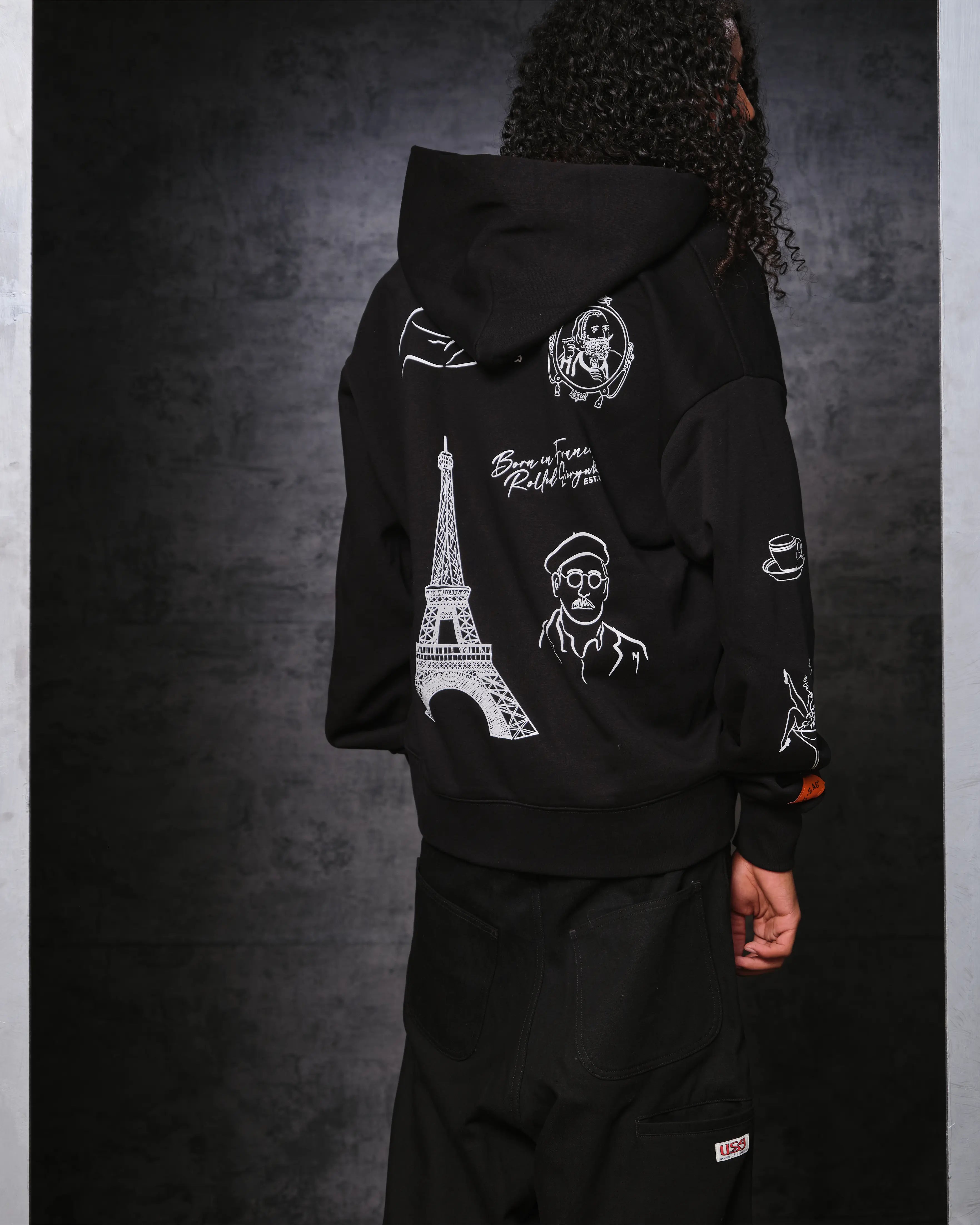
The modern uniform is not rigid or formal. It’s flexible, comfortable, and intentional. Identity shows up through small details rather than loud statements. Zig Zag Supply fits into this shift by offering pieces that slide naturally into daily wear, becoming familiar markers of personal style rather than one-off moments.
Why the Idea of a “Uniform” Feels Different Now
A personal uniform is a small group of go-to items you repeat because they fit your life. It’s not a strict outfit you copy every day. It’s a consistent set of shapes, colors, and details that makes getting dressed quick and keeps your look easy to recognize.
Back then, repeating outfits got framed as “you ran out of ideas.” Now it often reads as “you know what works.”
Here’s what usually makes something a uniform:
-
A repeatable base: the same hoodie shape, the same tee cut, the same pant fit.
-
A tight color lane: a few neutrals, plus one accent color you keep coming back to.
-
A small detail that shows up a lot: a cap, socks, a tote, a patch, a pin, a graphic.
If you want an easy starting point, Zig-Zag Supply is built around pieces that slot into repeat wear without needing a special occasion.
Related: The Everyday Essentials: Wardrobe Staples from Zig-Zag Supply
What Makes a Personal Uniform Personal

People choose consistency because it saves time, reduces daily choices, and keeps outfits predictable. A repeatable wardrobe also helps you learn what fits your body and your schedule. Trends come and go. Your calendar usually doesn’t.
A lot of people describe this as decision load. Research on habits and repeated behavior shows that repetition can make actions more automatic over time.
Common reasons personal uniforms stick:
-
Less friction in the morning: fewer options, fewer second guesses.
-
More repeat comfort: you know how a piece sits, moves, and layers.
-
Fewer “one-time” buys: you stop buying stuff that only works in theory.
-
More identity in the details: your look becomes recognizable without being loud.
You’ll also see this shift in fashion media and consumer trend coverage, where “basics” and capsule wardrobes keep showing up as a response to trend fatigue.
Related: 5 Hoodie Outfits You Can Wear Anywhere (Chill Days to City Nights)
What Actually Makes a Personal Uniform Feel Personal?
This section breaks the uniform into building blocks. You can mix and match these without buying a whole new wardrobe.
A personal uniform feels personal when your fit, color range, and detail choices repeat in a way people can spot. Your uniform becomes “yours” through patterns. That pattern might be your silhouettes, your textures, or the same small items you wear on loop.
Fit Becomes Your Signature
Some people always go relaxed. Some keep it sharp and simple. The point is repeatability.
Try this:
-
Pick one fit profile you like: relaxed, straight, or cropped.
-
Keep your tops consistent for two weeks.
-
Notice what you reach for without thinking.
If you lean relaxed, a rotation built around Zig-Zag hoodies and layers can stay consistent across weekdays, errands, and travel days.
Color Stays Tight
Most uniforms stay in a small color lane because matching gets easier.
A simple framework:
-
2 core neutrals (example: black and heather)
-
1 secondary neutral (example: cream or olive)
-
1 accent color you repeat (example: red, forest, or navy)
Texture and Detail Do the Talking
The uniform doesn’t need loud statements. Your details can carry the signal.
Details that work well:
-
Heavyweight vs lightweight fabric
-
Small graphics instead of full-front chaos
-
A repeated accessory that shows up in photos a lot
Related: Graphic Tees as Statement Pieces: How to Build an Outfit Around a Tee
Why Do Small Details Carry So Much Identity?
Small details carry identity because they repeat more often than full outfits. You might switch tees and pants, but keep the same socks, bag, or cap on loop. That repetition becomes a “tell” people associate with you.
In clothing and social identity research, visible style cues can act as signals of group belonging and personal expression.
Here’s why details matter:
-
They travel across outfits: a tote works with almost anything.
-
They’re low-commitment: you can change one item without changing your whole look.
-
They show up in the same places: mirror selfies, street photos, quick meetups.
If you want detail pieces that don’t take over the outfit, our everyday accessories cover the “grab it and go” category.
How Does Wearing the Same Things Reduce Daily Work?

Wearing repeat pieces reduces daily work because you spend less time evaluating options, matching items, and doubting choices. You also get faster at layering and packing. Over time, your wardrobe starts to run like a small system instead of a daily debate.
A lot of uniform talk online leans hard on decision fatigue. The useful takeaway is still simple: fewer daily choices often feel easier to manage.
What usually changes once you simplify:
-
Faster mornings: you already know what pairs well.
-
More consistent photos: your look reads like “you” across time.
-
Less closet clutter: you stop keeping items that don’t fit your lane.
-
More repeat wear: you learn what holds up and what doesn’t.
Related: Making a Statement with Zig-Zag Apparel: A Guide to Bold Looks
When Does Merch Become Part of a Personal Uniform?
Merch becomes part of a personal uniform when it’s wearable in normal settings and repeats without effort. The piece has to feel like a standard part of your rotation. It can’t feel like you’re “on stage” for a brand.
Here’s the difference:
-
Uniform merch: you wear it because it fits your day.
-
Event merch: you wear it once, then it sits in a drawer.
What makes merch earn a repeat spot:
-
Wearability first: easy to pair, easy to layer.
-
Subtle brand signal: recognizable to people who know, low-noise to everyone else.
-
Season-proof shapes: tees, hoodies, socks, hats, and carry items tend to repeat well.
If you like pieces that lean heritage and familiar, our Zig-Zag Vintage Collection fit the “wear it on Tuesday” test. And if you want a rotation that’s already popular with our shoppers, our Zig-Zag Supply best sellers show what people keep in steady repeat.
Related: How to Style Graphic Tees: Everyday Outfits for Any Season
Why Do People Buy the Same Item Twice?
People buy the same item twice because consistency saves time and reduces wardrobe risk. It’s about doubling down on a piece that’s already proven it can withstand repeat wear and still look right.
Common reasons reorders happen:
-
You found a cut that fits your body well.
-
You want a backup for travel or heavy rotation weeks.
-
You want the same item in a second color that still matches your lane.
-
You’re building a uniform on purpose, not by accident.
This is also where small seasonal drops can help. A winter rotation can stay uniform-friendly if the shapes stay consistent.
For colder months, our Zig-Zag Winter Collection lays out the seasonal lane without forcing a full wardrobe reset.
Related: Parisian Winter Style: How the New Zig-Zag Collection Brings Vintage Romance Into Modern Wardrobes
Building Your Own Personal Uniform
You build a personal uniform by noticing what you already repeat, then editing your closet around that pattern. Start small. Keep your favorite silhouettes. Tighten your colors. Add one or two small details you’ll wear often.
Here’s a step-by-step approach:
1. Audit What You Already Repeat
Write down what you wore most in the last two weeks.
-
Top type: hoodie, tee, crewneck
-
Pant fit: relaxed, straight, tapered
-
Shoes: your most-worn pair
-
Outer layer: your default
2. Pick a Color Lane
Choose a lane you can repeat without work.
-
2 neutrals you wear weekly
-
1 accent color you like wearing often
3. Choose One “Signature Detail”
Pick one item that shows up a lot.
-
socks
-
hat
-
carry item
-
a specific tee graphic
4. Build a Rotation, Not a Costume
Aim for 8 to 12 pieces you can rotate.
-
3 to 4 tops
-
2 outer layers
-
2 bottoms
-
1 to 2 accessories that repeat
If you want a simple base layer set, our Zig-Zag tees can anchor the uniform with consistent silhouettes.
Related: Statement Pieces from Zig-Zag: T-Shirts, Tracksuits & More
Why Zig Zag Supply Co Fits the Uniform Mindset

Zig-Zag Supply fits the personal uniform mindset because our pieces lean on heritage, familiar graphics, and everyday wearability. The goal isn’t a one-time outfit moment. The goal is repeat rotation, where the same details show up often and start to feel like part of your daily look.
Here’s what that looks like in practice:
-
Cohesive rotation: items pair easily without needing a new styling plan.
-
Repeat-friendly shapes: hoodies, tees, socks, and accessories that work across days.
-
Low-noise branding: recognizable for people who know, easy to wear in normal settings.
Conclusion
The new personal uniform isn’t about wearing the same thing every day. It’s about repeating what feels right. Identity now lives in the details you choose again and again, not the outfits you retire after one season.
Explore Zig-Zag supply essentials that fit naturally into daily rotation and let your small details do the talking.
FAQs
Is a personal uniform the same as a capsule wardrobe?
A personal uniform and a capsule wardrobe overlap, but they aren’t the same thing. A capsule wardrobe usually aims for variety within a limited set of pieces. A personal uniform is narrower and more repetitive, built around what you wear most without thinking. We see uniforms form naturally when you stop rotating for variety and start repeating what fits your daily rhythm.
How many pieces do you actually need for a personal uniform?
Most people settle into a personal uniform with fewer pieces than they expect. Around eight to twelve items usually cover tops, layers, bottoms, and one or two details that repeat. The goal isn’t a fixed number. It’s reaching a point where you already know what works before you open the closet.
Will wearing similar outfits make your style feel boring over time?
Repeating similar outfits doesn’t automatically flatten your style. Small changes like layering, fabric weight, or one accessory can keep things feeling fresh. A uniform works because the base stays steady while details shift slowly. That balance keeps your look familiar without feeling stuck.
What’s the easiest detail to repeat every day?
Accessories are usually the easiest place to build repetition. Socks, a cap, or a carry item can show up across many outfits without effort. These pieces tend to appear in photos and daily routines more than full outfits. Over time, that repetition becomes part of how people recognize your style.
How do you choose a color range that works long term?
A long-term color range usually starts with what you already wear most weeks. Pick two neutrals you rely on, then add one accent color you enjoy repeating. Keeping the range tight makes mixing easier and reduces second-guessing. When most of your clothes fit that lane, getting dressed stays simple.
Can merch really become part of a personal uniform?
Merch can become part of a personal uniform when it fits into everyday wear without effort. Pieces earn repeat use when they work with your usual silhouettes and don’t feel like they belong to one specific moment. We’ve seen items stick when people reach for them on regular days, not just special ones.
What’s the most common mistake people make when building a personal uniform?
The biggest mistake is trying to reset everything at once. A personal uniform forms through repetition and small edits, not a full closet swap. When you replace too much too fast, you lose track of what actually worked. Starting with what you already repeat keeps the process grounded and easier to maintain.
Read more

People searching Zig-Zag Supply usually want gear and merch that fits daily life, not a display case. Patina is the quiet proof that something gets used and kept. It’s the surface change that shows...
Luxury used to announce itself loudly. Big logos. Bold branding. Pieces designed to be noticed before they were used. That definition is shifting. Today, quality earns attention quietly through fee...