

Zig Zag Accessories & Objects With Patina: Why Wear, Texture, and Time Matter More Than Perfection
People searching Zig-Zag Supply usually want gear and merch that fits daily life, not a display case. Patina is the quiet proof that something gets used and kept. It’s the surface change that shows up over time through age, handling, and routine.
Patina is what happens when an object stops being “new” and starts being yours. It’s the soft edge on a favorite lighter, the broken-in feel of a cap, the way a tote sits better once it’s carried a hundred times. You can’t rush it without it looking fake. It shows up naturally when something earns a place in your rotation.
That’s also why everyday items feel more personal than collectibles. When you reach for the same pieces without thinking, they become part of your routine. The goal isn’t to keep everything perfect. The goal is to keep what works, and let the rest fade out.
You see this mindset across classic Zig-Zag products too. People don’t buy rolling papers or cones to admire the packaging on a shelf. They buy what’s familiar, what performs the same way every time, and what fits the rhythm of their day. That same “use it, keep it, trust it” logic carries over to Zig-Zag Supply apparel and accessories.
Patina also has a style angle. It makes outfits and objects look lived-in instead of staged. A slightly faded graphic tee, a crewneck that’s softened at the cuffs, or an accessory that shows a little wear reads as real. It signals repeat use, not one-time hype.
If you’re building a rotation, patina is actually a good filter. The pieces that age well are usually the ones that were worth keeping in the first place: sturdy materials, comfortable fits, and details that still look good once they’re not brand-new. That’s the point of daily gear. Not to stay untouched. To stay in use.
What Does “Patina” Mean?
Patina is the surface change that happens when something gets handled and used over time. People care because it signals history, not damage. It shows consistency in your routine, plus materials that can be used repeatedly without falling apart.
Patina is not one look. It can show up as softened edges, a slightly darker tone, a broken-in feel, or a surface that looks less factory-fresh and more familiar.
You don’t buy a Zig-Zag Supply piece to keep it “untouched.” You buy it because it fits your day. That’s also why our Zig Zag collection choices lean into pieces you can repeat, not baby.
You’ll see that same logic across Zig Zag merch and Zig Zag merchandise. A hoodie that gets better after a month. Socks that end up in your “grab these first” pile. Accessories that live on your table because they belong there.
You can get a feel for that range through our Zig-Zag Supply homepage lineup.
Why Does Patina Signal Quality, Not Damage?
Patina signals quality because it shows the object can handle repeated use while staying functional and good-looking. Damage is sudden and chaotic. Patina is gradual. It’s the difference between “this broke” and “this changed with time.”
Wear as Proof of Use
Daily use leaves evidence. That evidence can look good.
-
Softened fabric at the cuffs
-
Slight fading where your hands grab first
-
Edges that round out instead of fraying
-
Hardware that dulls a bit, then settles into a tone
That’s the look of something that’s part of your routine.
The Shift Away From Disposable Design
People are paying more attention to waste and overbuying. Over 60% of consumers report trying to make a positive impact on the environment, and they’re also more skeptical of big talk from brands.
Fast fashion also trained buyers to expect short lifespans. So the pendulum swings back to items that last longer and feel worth keeping.
Character Over Gloss
Glossy finishes can look good on day one. Then they start to look tired fast.
Patina-friendly pieces win because:
-
Small marks don’t ruin the look
-
Texture hides tiny wear
-
The item looks normal in daily light, not showroom light
That’s a big part of why Zig-Zag Supply sticks to a legacy-forward approach. Our brand has been around long enough to know that perfection is a short trend.
Related: An Iconic Brand’s Guide to Everyday Streetwear Style
How Does Texture Create Attachment Over Time?

Texture builds attachment because your hands learn it. The feel becomes familiar through repetition. That familiarity turns into preference. Over time, you reach for what feels right because you’ve used it enough to trust it. This is where “it’s just a thing” turns into “it’s my thing.”
Tactile Familiarity
Texture does a lot of work that graphics can’t.
You notice:
-
Knit density on socks
-
Weight of a hoodie
-
How a cap sits after a few wears
-
The feel of a tabletop accessory when you grab it without looking
That’s routine-friendly design. No drama. No performance. Just a good daily feel.
How Repetition Builds Preference
Behavior research backs a basic idea: people value what they own more, just because it’s theirs. That’s part of the endowment effect.
Add repetition, and the attachment gets stronger. The object starts to mark time for you. Not in a poetic way. In a practical way.
You remember:
-
Where you wore it
-
When you started using it
-
How it looked new, then how it changed
Why Texture Beats Trends
Trends date fast because trends rely on novelty. Texture doesn’t.
Texture keeps working because:
-
It ages in a normal way
-
It doesn’t need a “season” to make sense
-
It still looks right next year
That’s why we don’t chase hype. We build staples.
Related: How to Create a Vintage-Inspired Outfit w/ Zig-Zag Apparel
What Everyday Objects Age Well, and Why Do They Stay in Rotation?
Everyday objects age well when they sit in your routine and handle repeat use without needing special care. Tabletop pieces, small tools, and accessories that live in plain sight pick up wear naturally. That’s how they earn presence over time.
Items Meant to Stay in Rotation
Some items age well because they’re used often and handled casually.
Here are a few categories that tend to build character fast:
-
Trays
-
Small containers
-
Key accessories
-
Tabletop organizers
-
A zig zag ashtray that stays on the table because it’s part of the setup
If you keep a piece out, it picks up little signs of daily life. That’s the point.
Why Tabletop Objects Matter
Tabletop objects do something clothing can’t: they stay visible even when you’re not wearing them.
That means:
-
They become part of the room’s normal look
-
They get handled by habit
-
They pick up surface change in a steady way
A Quick Guide to How Materials Age
Below is a simple way to think about patina by material type. Patina shows up on metals, wood, and leather over time, and the term also covers the aged surface appearance from long use.
Material type |
What changes first |
What it turns into over time |
What to watch for |
Metal parts |
Dulling, tiny marks |
A softer, settled surface |
Avoid harsh scrubbing |
Fabric (hoodies, tees) |
Softening, light fading |
A worn-in drape and feel |
Rotate washes, follow tags |
Knit socks |
Loosening, softening |
A familiar fit |
Keep pairs together |
Coated surfaces |
Light scuffs |
A matte, lived-in surface |
Store without sharp edges |
If you like objects that look “used in a good way,” you’ll probably also like what shows up across our everyday Zig-Zag accessories picks.
Related: Timeless Style: Why Zig-Zag’s Vintage Collection is a Fan Favorite
How Does Merch Become Personal Over Time?

Merch becomes personal through repetition. The more you wear or use a piece, the more it reflects your routine. That’s when it stops being “new merch” and starts being a staple you keep on purpose, even when newer stuff exists.
From New Purchase to Personal Artifact
The switch happens quietly.
-
Week 1: you treat it carefully.
-
Week 4: you stop thinking about it.
-
Month 3: it becomes your default.
That’s when you know it’s working.
Consistency Builds Identity
People talk about “personal style” like it’s a big reveal. It’s usually just consistency.
If you repeat the same kinds of pieces, you build a look without trying:
-
Same hoodie cut
-
Same sock height
-
Same accessories rotation
-
Same color family you always reach for
That’s why our Zig-Zag hoodies and Zig-Zag t-shirts lineup matter. They’re repeatable. They don’t need a special occasion.
Why People Keep Certain Pieces Longer
People keep pieces longer when the item fits life better than the replacement.
A bigger cultural pattern shows up here too. Many people replace phones every 2.5 to 3 years on average, and repair advocates keep pushing for longer product lifespans.
That same “keep it longer” mindset shows up in clothing and daily objects. If it holds up and still feels right, you keep it.
Why Do Worn-in Pieces Feel Honest?
Worn-in pieces feel honest because time leaves patterns you can’t speed-run. Patina shows the item has been part of your routine. That visible change builds trust in the object because it shows consistency, not perfection.
Objects That Reflect Routine
Wear patterns map your habits.
-
The pocket you always use
-
The sleeve you push up
-
The spot on the table where you set something down
-
The edge your hand grabs first
No two people wear items the exact same way. That’s why patina feels personal.
Why Patina Can’t Be Rushed
Sure, people try. They scuff things up. They wash things weird. They force “character.”
It rarely lands because:
-
The pattern looks random
-
The wear isn’t tied to habit
-
The result looks staged
Patina happens when you stop trying.
Time as a Design Partner
We do our part. You do yours.
-
We pick materials and finishes that can handle daily use.
-
You put the item into a routine.
-
Time takes it from there.
That’s the deal.
What Makes Zig-Zag Accessories Worth Keeping Over Time?
Zig-Zag accessories are worth keeping when they support repeat use and still look good as they change. Longevity matters more than a day-one look because long-term items reduce replacement cycles and become part of your routine. That’s how time turns gear into staples.
Built for Repetition
Repeat use is the test that matters.
We focus on:
-
Staples you can reach for without thinking
-
Materials that don’t fall apart after a short run
-
Everyday objects that fit a tabletop or a weekly rotation
You can see the “repeatable” vibe across our Zig-Zag best sellers list. That lineup tends to be the stuff people reorder, replace with the same item, or keep in rotation.
An Aesthetic That Accepts Aging
Some looks only work when everything is perfect. That’s not our lane.
A patina-friendly look does this instead:
-
Looks normal after wear
-
Doesn’t depend on glossy finishes
-
Lets small marks blend in
That’s why pieces in our Zig-Zag vintage collection drop fit so well here. The whole point is legacy and lived-in style.
Why Longevity Matters More Than Freshness
“Fresh” is fun for about five minutes. Then life happens.
Long-lasting items matter because:
-
You learn how they fit
-
You build a routine around them
-
You stop shopping for replacements
That’s also why seasonal capsules can still work when they’re made for repeat use. Our Zig-Zag winter collection lean into cold-weather staples you can wear often.
What Does “Not Chasing Perfection” Look Like in Merchandise?
Merch that doesn’t chase perfection is made to live with you in daily routines, not sit untouched. Wear becomes part of the look. That approach builds long-term trust because the item still works and still looks right after repeated use.
Made to Live With You
We build merch for those who use their stuff. That means:
-
Apparel you can repeat
-
Accessories that can stay out on a table
-
Basics that fit across seasons
If you want a quick starting point, our Zig-Zag socks and accessories are an easy “daily rotation” category. Socks do the job. Socks also show wear in a normal way. No fuss.
Quiet Confidence Through Wear
Big flashy stuff ages badly because it depends on perfection.
Patina-friendly merch ages better because:
-
It’s grounded
-
It’s routine-based
-
It looks normal in daily life
Why People Trust Brands That Age Well
Trust grows when a brand stays consistent.
Not with hype.
With:
-
Familiar fits
-
Steady materials
-
A look that works year after year
That’s part of the wider Zig zag brand legacy. If you’ve been around long enough, you learn a simple lesson: lasting style is mostly repetition.
Conclusion: Why Time Matters More Than Perfection
Patina isn’t damage. It’s evidence. Texture, wear, and time turn everyday objects into personal staples. The more they get used, the more they belong in your routine. That’s why we keep building Zig-Zag Supply pieces that look better with repetition, not perfection.
You’ll find those staples across our Zig-Zag Supply lineup, plus everyday categories like Zig-Zag accessories for daily use and Zig-Zag best sellers list.
Frequently Asked Questions
What is patina on everyday objects?
Patina is a surface change that happens through time and use. It can show up as a darker tone, softened edges, or a less shiny finish. Dictionaries describe it as a thin layer on metals or an aged surface on wood or leather from long use.
Is patina a sign something is worn out?
Not always. Patina can happen while an item still works well. Worn out usually means the function fails or the structure breaks down. Patina is often about appearance and feel changing through routine use.
Why do people like worn-in merch?
People value what feels familiar and personal. Behavioral research describes ownership effects where people value items more once they own them. Repetition builds that attachment because the item becomes part of your routine.
What materials show patina the fastest?
Surfaces you touch often tend to change fastest. Metals can dull, fabrics can soften, and coated surfaces can pick up light scuffs. The pace depends on handling, friction, and daily storage habits.
How do you keep merch looking good as it ages?
Follow the care label for apparel. Rotate items so no single piece does all the work. Store accessories away from sharp objects that can cause deep scratches. Routine care keeps the look consistent as the item ages.
Why are people buying fewer disposable items lately?
Consumer research points to more interest in practical sustainability and more skepticism toward big brand claims. Surveys show many consumers report trying to make a positive impact through everyday actions. That shift pushes more attention toward longer-lasting purchases.
Read more
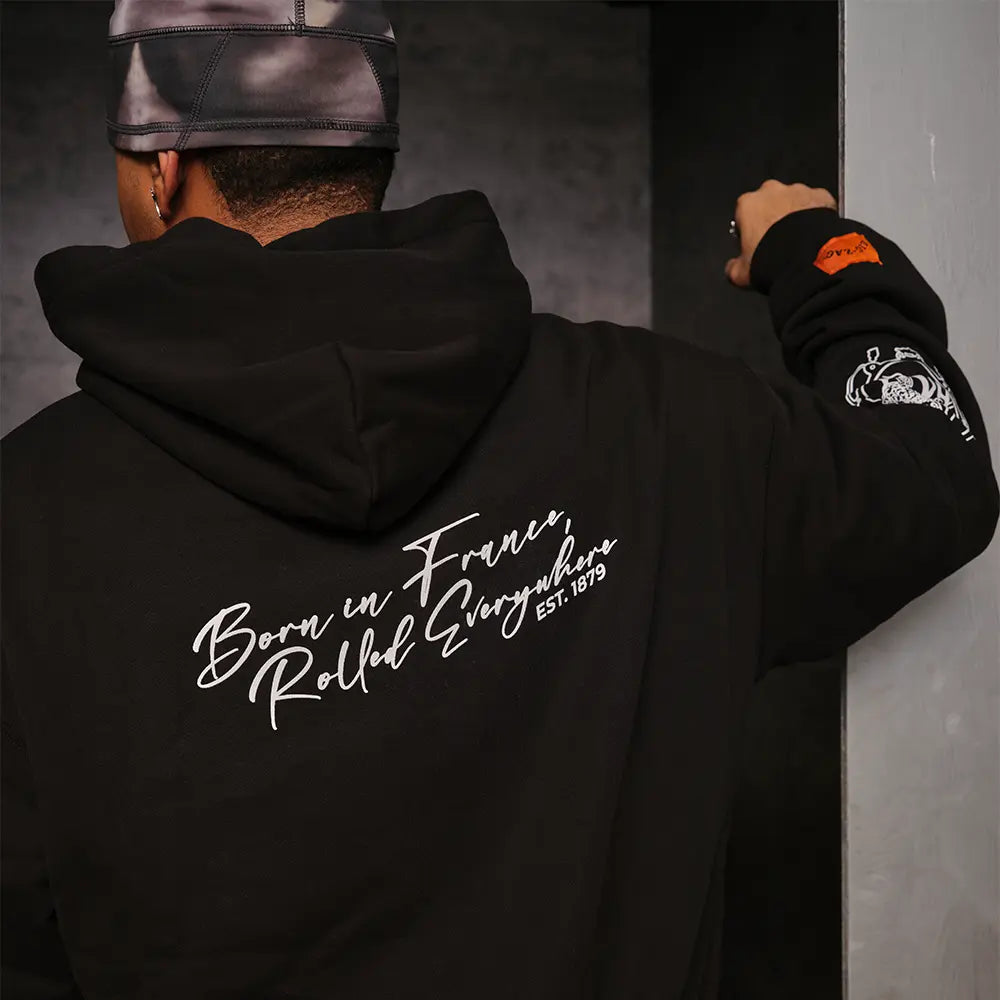
Parisian winter style can feel relaxed, practical, and confident at the same time. The Born in France Rolled Everywhere Winter Collection from Zig-Zag apparel takes that idea and t...
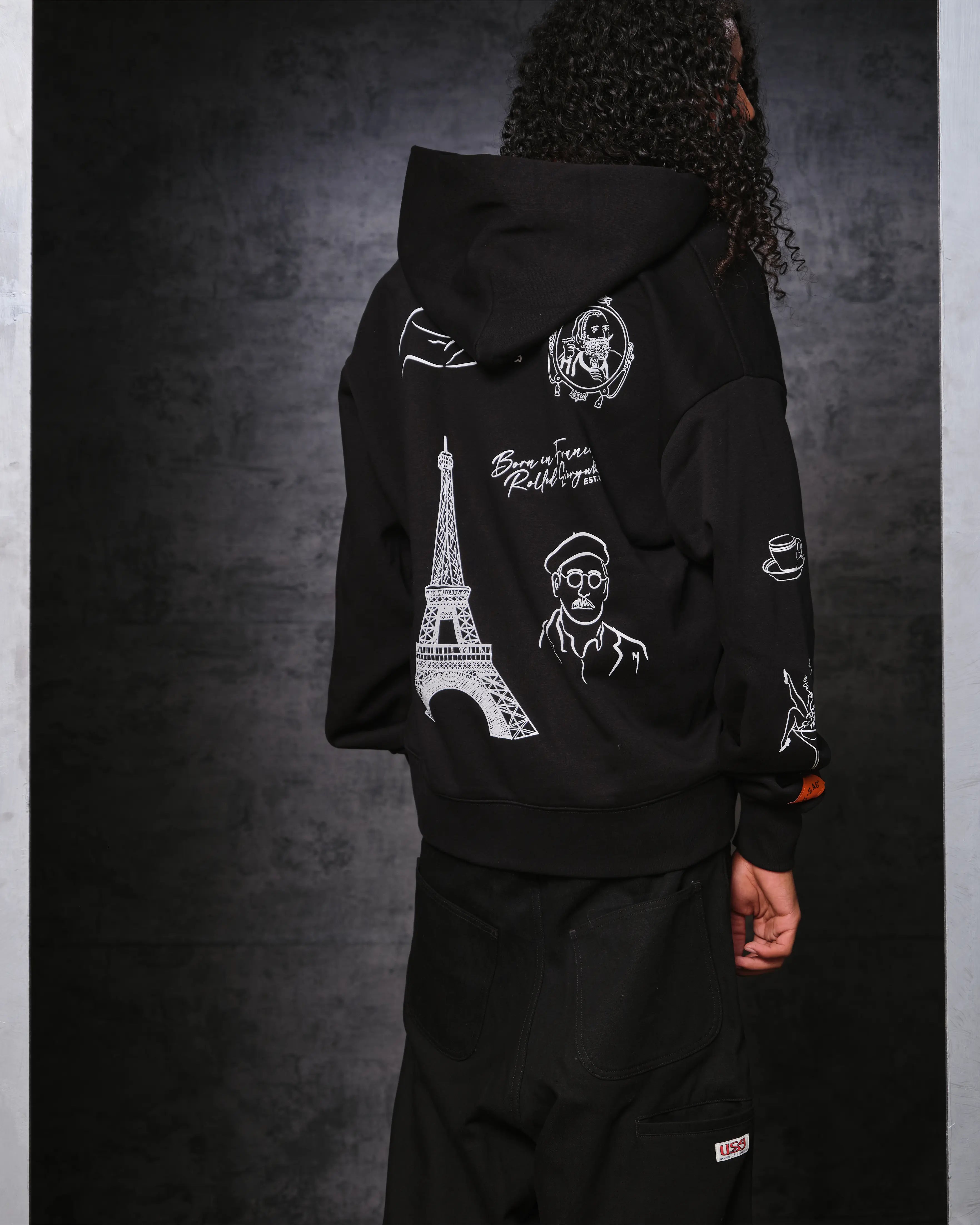
Getting dressed used to be about variety. New looks, new pieces, constant rotation. Now it’s about recognition. People are gravitating toward a personal uniform built from a few repeatable elements...